Protein Powders
- At August 14, 2019
- By Daniel
- In Diet
 0
0
Many Americans eat a high protein diet. A diet provide more protein than their bodies need. The past few years has seen explosion of highly processed protein products; bars, shakes, and powders.
Some protein powders have been found to contain high levels of toxins had increase health risks when consumed on a daily bases.
This video shares some of the risks and benefits of adding protein powders to your diet.
Non-GMO Foods Facts & Myths
- At August 10, 2019
- By Daniel
- In Diet
- 0
Are prepared foods labeled Non-GMO healthier or worth paying a premium price or is it just marketing hype? This video looks at what Non-GMO and Non-GMO Verified really means.
24 High Magnesium Foods
- At August 02, 2019
- By Daniel
- In Diet
- 0
Magnesium is an essential nutrient. That means your body cannot produce magnesium it must come from your diet.
This video highlights 24 high magnesium foods available at most U.S. grocers, why magnesium is important, symptoms of magnesium deficiency, and the USRDA.
High Resistant Starch Foods
- At July 24, 2019
- By Daniel
- In Diet
- 0
Most people eat some form of starchy food for energy. Starchy foods include wheat, potatoes, and bananas.
Many American diets recommend reducing or eliminating starchy foods. That means no more fried potatoes, pasta, and dozens of other foods.
New research reveals there are more than one type of starch and foods high in resistant starch have a lower glycemic index. The reason is resistant starch behaves like fiber and is not converted to glucose.
They key is refrigeration in the case of potatoes, potato salad has more resistant starch than fried potatoes, and ripeness. Anyone who has eaten a green banana knows it is less sweet than a ripe banana. As a banana ripens, starch is converted to sugar.
This video explains resistant starch and provide sample foods high in resistant starch.
10 Dumb Diet Tips
- At July 22, 2019
- By Daniel
- In Diet
- 0
Americans are bombarded by dieting tips. Some are helpful like eat more high fiber foods and less processed foods. Other tips can be confusing or even misleading.
For example, nuts are considered a healthy food and Americans are advised to add nuts to their diet on a daily basis. Since most countries are use the metric (SI) units of measure, people in those countries may be advised to eat 30 grams of nuts daily (about 1 ounce, 160 calories). Some diet experts advise Americans to eat a “handful” of nuts daily. Depending on your hand size and how many nuts you can hold you could eat up more than 300 calories of nuts daily. For a 2,000 calorie diet, 300 calories is 15% of total calories versus 8% for one ounce of nuts.
This video looks at ten common diet tips and why they are not as helpful as they can or should be.
Bone Broth Facts & Myths
- At January 30, 2019
- By Daniel
- In Diet
- 0
Americans are spending millions of dollars on bone broth.
Bone broth is supposed to be high in collagen the protein used to make gelatin. Collagen is claimed to have miraculous health benefits.
This video looks at some of the facts & myths behind bone broth and how one prepared broth appears to have less collagen than homemade chicken soup.
Zero Calorie Foods Video
- At September 12, 2017
- By Daniel
- In Diet
- 0
Many websites have eye-catching banner ads with diet and nutrition claims like:
“5 Foods You Should Never Eat”
“Zero Calorie Foods”
“Negative Calorie Foods”
“Belly Fat Busting Foods”
The real purpose of these ads is to get you to click on the ad taking you to another website trying to sell you dietary supplements or a diet plan.
One website had a 30 minute video sales pitch to had to watch before you found out what 5 foods you should never eat.
Usually there is very little if any credible scientific information backing up the claims.
This video reviews some of the foods typically listed as having zero or negative calories. Most are fruits and vegetables that are very low in calories. Some provide almost no calories when eaten in small quantities while others were nowhere near providing calories.
700 Calorie Thanksgiving Dinner
- At October 24, 2016
- By Daniel
- In Diet
- 0
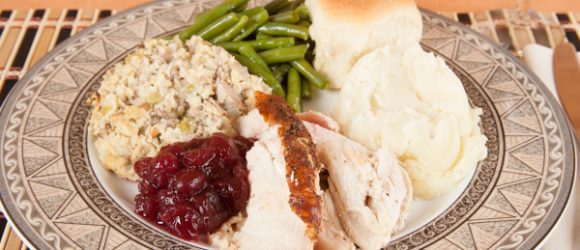
With Thanksgiving Day about a month away, people will be taking about Thanksgiving dinner and how many Americans add 5 to 10 pounds during the holidays that are almost impossible to lose after the festivities are over.
Excluding, breakfast, lunch, beverages and snacks, the average turkey dinner is between 2,000 and 2,500 calories before you go for a second helping. Considering most people need between 1,700 and 2,500 calories to maintain a healthy weight, you can gain up to a pound on Thanksgiving Day.
The sample meal pictured is a generous 22 ounces of food providing 880 calories. Omitting the dinner roll saves 100 calories. Buttering the roll adds about 30 calories.
The stuffing provides the most calories at 265. Decreasing the stuffing and increased the vegetables (not mashed potatoes) can shave 100 calories from this meal.
Even if you eat the meal as shown, it still provides fewer calories than a “traditional Thanksgiving” turkey dinner after subtracting pumpkin and pecan pie calories.
Twenty-two ounces of food is more than most frozen dinners. Reduce portion sizes to equal a 16 ounce frozen turkey dinner and total calories drop from 880 to 640.
You also significantly reduce chemical additives.