
PUFA Facts & Myths Video
- At June 24, 2020
- By Daniel
- In Diet, Health & Wellness
 0
0
PUFA is the acronym for polyunsaturated fatty acids. Most consumer PUFAs are RBD (refined, bleached, deodorized) vegetable oils like canola, soy, and corn oils. Fad diets condemning PUFAs usually fail to mention they are essential omega-3 and omega-6 fatty acids.
This video looks at some of the facts and myths surrounding PUFAs including:
• What is PUFA?
• PUFA and omega fatty acids.
• PUFA health risks.
• PUFA and low grade inflammation.
• Omega-6 to Omega-3 ratios.
Asana Of The Month: Elephant’s Trunk
- At June 02, 2020
- By Daniel
- In Asana, Health & Wellness, Yoga Benefits
- 0
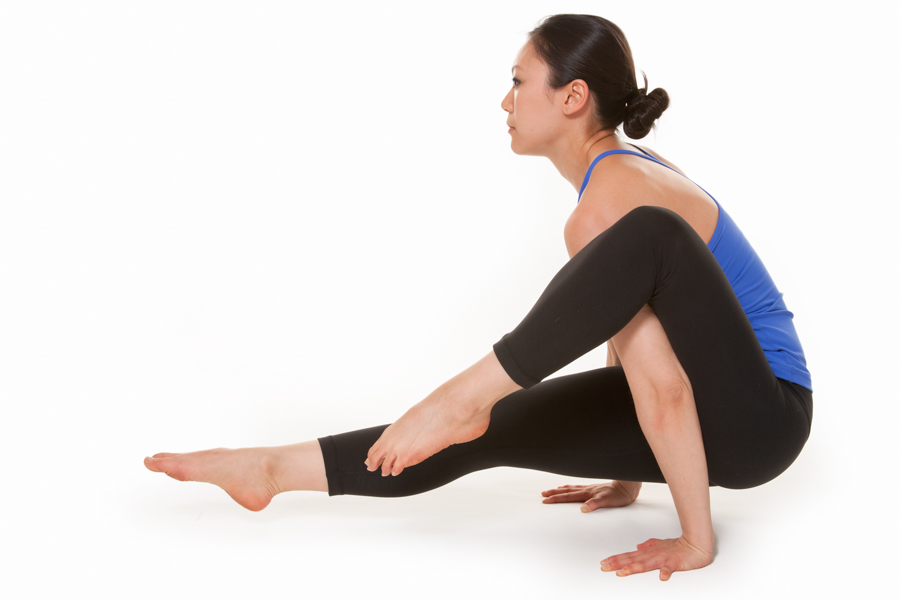 Elephant’s Trunk is a moderately difficult balance pose that helps improve focus, relieve anxiety, and strengthen wrist, arm, leg, and shoulder muscles.
English Name: Elephant’s Trunk
Sanskrit Name: Eka Hasta Bhujasana
Difficulty Level: 6
Pose Type: Balance
Start Position: Easy Sitting
Instructions:
Step 1.
Staring in Easy Sitting pose, hook your left shoulder under your left knee and extend your right leg straight out.
Step 2.
Place both hands on the floor near your thighs.
Step 3.
Press into your hands and lift your body off the floor as pictured. Keep your extended leg parallel to the floor and gaze forward.
Step 4.
Hold the pose for a few breaths. Then lower your body to the floor. Return to Easy Sitting and repeat on the other side.
Physical Benefits:
- Maintains spinal straightness
- Strengthens wrists, arms, and shoulders
- Increases stamina
- Strengthens legs and buttocks
- May relieve backache
Mental Benefits
- Reduces stress
- Improves thinking
- Increases focus
- Relieves mild anxiety & depression
Contraindications:
- Carpel tunnel syndrome
- Wrist injury
- Leg, arm, or shoulder injury
Honey, Maple Syrup, And Sugar
- At May 12, 2020
- By Daniel
- In Health & Wellness
- 0
This video compares the nutrition values of honey (filtered and raw) and maple syrup to refined white sugar. Many diets claim honey and maple syrup are “natural” alternatives to refined sugars and provide essential vitamins and minerals absent from refined sugar. In this video:
• Refined Sugar vs honey & maple syrup.
• Raw vs. refined honey.
• Raw honey health risks.
• Nutrition Facts
• Vitamin & minerals
Eight Angle (Astavakrasana)
- At May 05, 2020
- By Daniel
- In Asana, Yoga Benefits
- 0
 Frog pose takes Reclining Hero pose and turns it on its stomach rather than back. If you can do Reclining Hero you can do Frog. Frog adds extending your check like Cobra pose and grasping your feet with your hands. While Cobra and Reclining Hero have a difficulty level of 4, Frog increases the difficulty level to 6 giving your arms, back, and legs a good stretch.
Like all hatha yoga asanas, always listen to you body to prevent injuries.
English Name: Eight Angle
Sanskrit Name: Astavakrasana
Difficulty Level: 7
Start Position: Easy Sitting
Instructions:
Step 1.
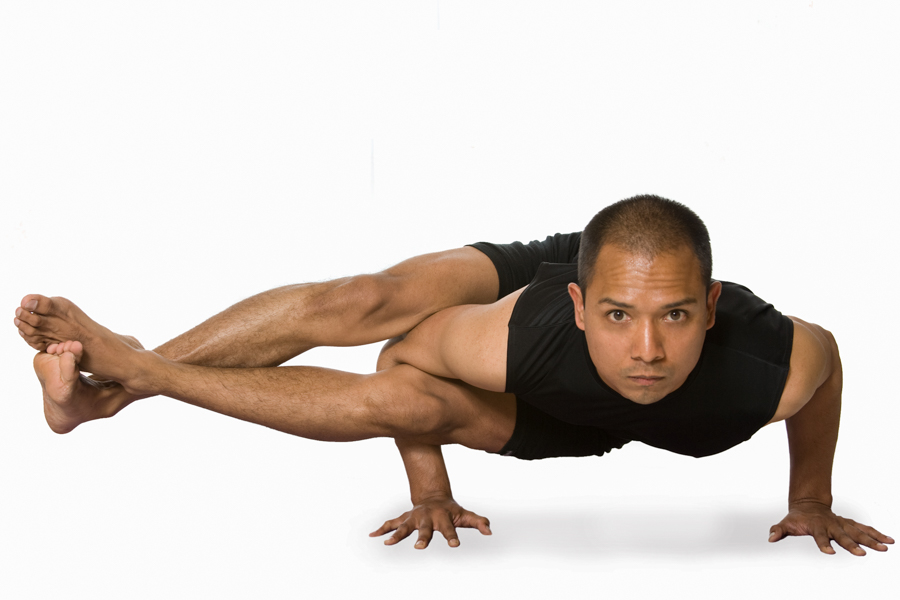
Hook your right shoulder under your right knee and extend your left leg forward on the floor.
Step 2.
Place both hands on the floor on either side of your left thigh.
Step 3.
Pressing into your hands, lift your buttocks off the floor while hooking your left ankle over your right ankle.
Step 4.
Bend your elbows, move your chest forward, extend your legs to the right, and gaze forward.
Step 5.
Hold the pose as long as it feels comfortable. Release. Return to Easy Sitting, and repeat on the other side
Physical Benefits:
- Stretches leg, arm, and shoulder muscles
- Opens up the chest
- Improves lung capacity
- Improves digestions
- Increase leg and arm strength
Mental Benefits
- Reduces stress
- Improves thinking
- Increases focus
Contraindications:
- Arm, wrist, shoulder, or leg injury
- Neck injury
- Carpel tunnel syndrome
Crow (bakasana)
- At April 07, 2020
- By Daniel
- In Asana, Yoga Benefits
- 0
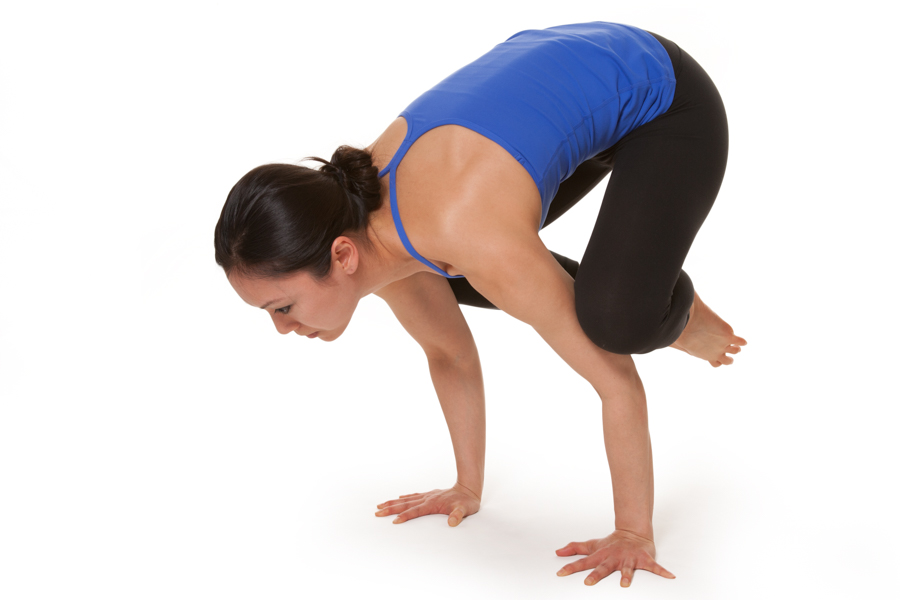 Crow, also known as Crane, pose is a popular balance pose. While it appears to be a simple pose it is challenging for most yoga practitioners. Crow pose requires concentration and focus more than strength. It is a matter of balance like balancing a spoon or fork on the tip of your finger. If you have wrist, arm, or shoulder pain or injury you should not do Crow pose. Like all hatha yoga asanas, always listen to you body to prevent injuries.
English Name: Crow (also known as Crane)
Sanskrit Name: Bakasana
Difficulty Level: 5
Start Position: Garland I
Instructions:
Step 1.
Walk you hands in from of your feet and rise up on tiptoes.
Step 2.
Press your knees into your upper arms and lean forward to balance on your hands.
Step 3.
Straighten your arms.
Step 4.
Hold the pose for 4 or 5 breaths or as long as it feels comfortable.
Physical Benefits:
- Improves balance
- Opens up hips and back
- Strengthens abdominal muscles
- Strengthens arms and wrists
- Improves digestion
- Stretches the wrists
Mental Benefits
- Improves concentration
- Increases focus
Contraindications:
- Wrist or shoulder injury
- Carpel tunnel syndrome
- Pregnancy
Sonoran Desert Spring
- At April 06, 2020
- By Daniel
- In New Video
- 0
Sonoran Desert Spring is a 9 minute video set to music of a variety of plants and animals of the Sonoran Desert including hummingbirds and Saguaro cactus. In these stressful times, everyone needs a break to unwind and reflect.
COVID-19 Facts & Myths
- At April 04, 2020
- By Daniel
- In Health & Wellness
- 0
It did not take long for email and social media to distribute misleading and false information about the coronavirus responsible for COVID-19.
This video shares what is COVID-19 and looks at some of the myths making the social media and email circuit:
• What is a virus?
• What is coronavirus?
• What is COVID-19?
• Why is COVID-19 serious.
• Preventing infection.
• COVID-19 facts and myths.
Lotus (Padmasana)
- At March 16, 2020
- By Daniel
- In Asana, Yoga Benefits
- 0
 No other pose is more closely associated with hatha yoga than Lotus pose (padmasana). Lotus is what hatha yoga is all about. Asana prepares the body to sit in Lotus for hours of meditation. Many Westerners associate asana with a physical workout to tone the body. Astanga and power yoga are just another way of working up a sweat and staying in shape. Its nothing more than a work-out for the body.
Yoga is not about obtaining firm abs. It is about obtaining a higher consciousness on the road to enlightenment (samadhi)- the eight limb of yoga.
Lotus can be too extreme for people with limited flexibility. Men usually find it more difficult to sit in Lotus than women. With practice, most men and women can can increase their flexibility and sit in Lotus pose. But, if it doesn’t happen do not dwell on it. You are not alone. The best I’ve ever achieved was half Lotus.
English Name: Lotus
Sanskrit Name: Padmasana
Difficulty Level: 3
Start Position: Staff
Instructions:
Step 1.
Bend your right knee, rotating from the hip, and place your right foot on your left thigh as close to your abdomen as possible.
Step 2.
Rotate your left hip and bend your left leg placing your left foot on your right thigh as close to your abdomen as possible.
Step 3.
Both knees should contact the floor. Remain in the pose as long as it feels comfortable.
Physical Benefits:
- Opens up the hips
- Improves knee flexibility
- Lubricates knee joint
- Relieve or prevent arthritis
- Tones abdominal muscles
- Improves digestion
- Tones back and shoulder muscles
Mental Benefits
- Focuses the mind
- Reduces stress
- Reduces anxiety
- Reduces mild depression
Contraindications:
- Low back, hip, knee, or ankle injury
Gentle Variation – Half Lotus

Standing Wide Leg Forward Bend II (Prasarita Padottanasana II)
- At March 14, 2020
- By Daniel
- In Asana, Yoga Benefits
- 0
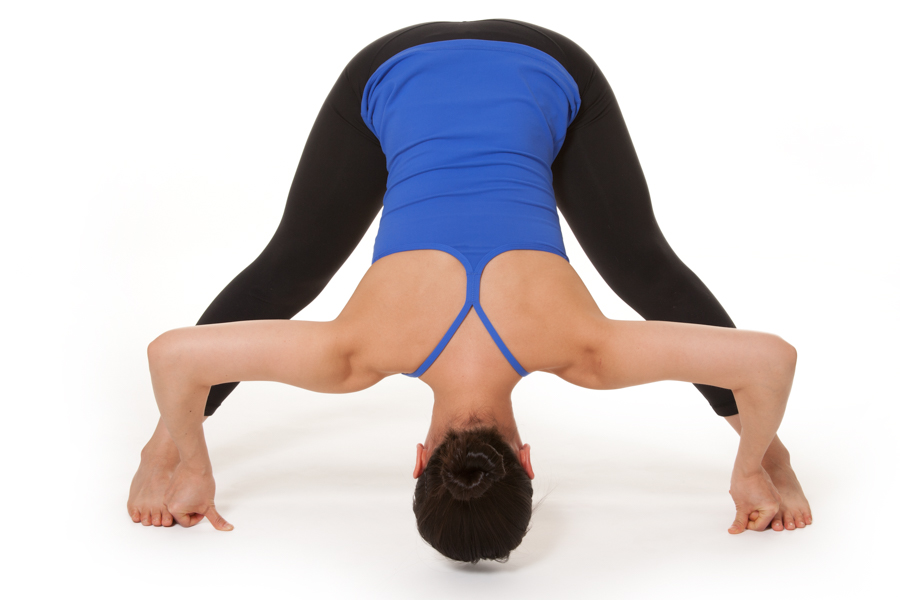 All Standing Forward Bends improves and maintains leg and back flexibility. For some people, wide leg forward bends put less stress on their backs and legs than straight leg forward bends. All forward bends provide the same physical and mental health benefits.
Use caution if you have glaucoma or a family history of high blood pressure. A research study found yoga poses where the head is lower than the heart may increase eye pressure. One way to reduce the risk is by limiting your time in these poses.
English Name: Standing Wide Leg Forward Bend II
Sanskrit Name: Prasarita Padottanasana II
Difficulty Level: 4
Start Position: Mountain
Instructions:
Step 1.
Step or jump your feet about 3 feet apart or a comfortable distance keeping your feet parallel to each other.
Step 2.
Bend (fold) forward from your hips maintaining a straight back and tilting your sit bones upward.
Step 3.
Curl the first two fingers on each hand around your big toes. If possible, rest the crown of your head on the floor.
Step 4.
Remain in the pose as long as it feels comfortable. Return to Mountain pose.
Physical Benefits:
- Improves and maintains ankle, knee, thigh and low back strength
- Tones abdomen
- Stretches wrists, arms, hamstrings, calves
- Reduces minor back pain or discomfort
- Lowers blood pressure
- Reduce headache pain
- Open sinuses
- Improves digestions
Mental Benefits
- Reduces stress
- Improves thinking
- Increases focus
- Relieves mild anxiety & depression
Contraindications:
- Low back or wrist injury
- High Blood Pressure
- Glaucoma
Standing Wide Leg Forward Bend I (Prasarita Padottanasana I)
- At March 12, 2020
- By Daniel
- In Asana, Yoga Benefits
- 0
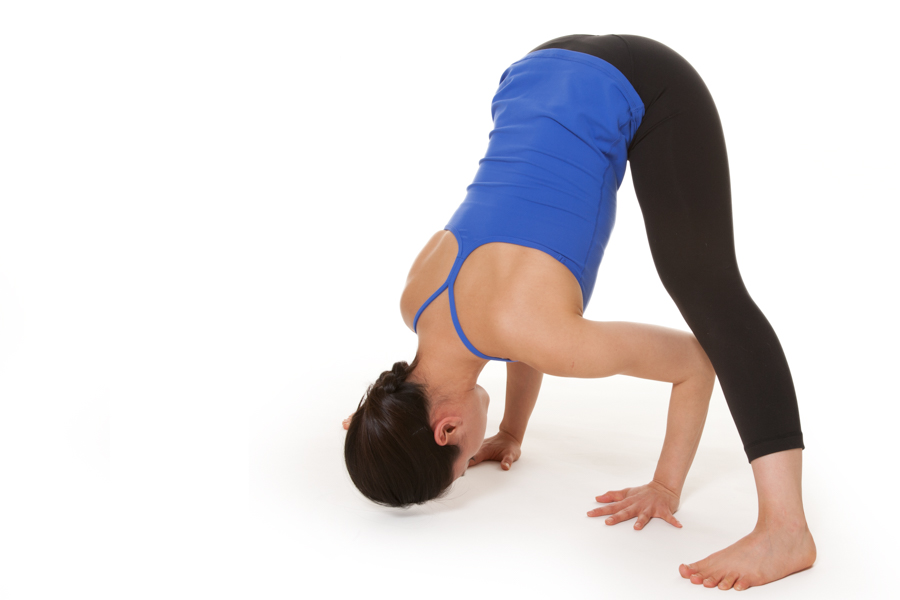 Standing Forward Bends improves and maintains leg and back flexibility. Use caution if you have glaucoma or a family history of high blood pressure. A research study found yoga poses where the head is lower than the heart may increase eye pressure. One way to reduce the risk is by limiting your time in these poses.
English Name: Standing Wide Leg Forward Bend I
Sanskrit Name: Prasarita Padottanasana I
Difficulty Level: 4
Start Position: Mountain
Instructions:
Step 1.
Step or jump your feet about 3 feet apart or a comfortable distance.
Step 2.
Bend (fold) forward from your hips maintaining a straight back and tilting your sit bones upward.
Step 3.
Place both hands on the floor energizing your hands and fingers, and keeping your hands parallel with your feet.
Step 4. Rest the crown of your head on the floor, and remain in the pose as long as it feels comfortable. Return to Mountain pose.
Physical Benefits:
- Improves and maintains ankle, knee, thigh and low back strength
- Tones abdomen
- Stretches wrists, arms, hamstrings, calves
- Reduces minor back pain or discomfort
- Lowers blood pressure
- Reduce headache pain
- Open sinuses
- Improves digestions
Mental Benefits
- Reduces stress
- Improves thinking
- Increases focus
- Relieves mild anxiety & depression
Contraindications:
- Low back or wrist injury
- High Blood Pressure
- Glaucoma